by George Wuerthner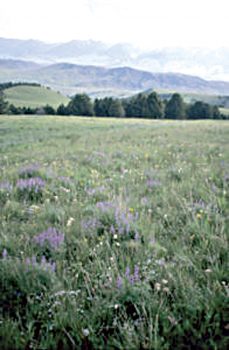
The Gallatin Forest Partnership (GFP) proposal for the Gallatin Range promoted in a Feb. 9 letter by recreation advocacy groups like the Greater Yellowstone Coalition falls short in providing the best protection for the range.
Wilderness designation is the “gold standard” for land protection, yet the bulk of the Gallatin Range, including portions of the Hyalite-Porcupine-Buffalo Horn Wilderness Study Area would receive lesser protections under the GFP proposal.
The GFP “rocks and ice” proposal for 102,000 acres of designated wilderness in the Gallatin Range leaves some of the best lower elevation terrain such as the Buffalo Horn and Porcupine drainages (BHP) out of wilderness designation. The BHP area is only one of many parts of the Gallatin Range’s 250,000 or so roadless acres that should be promoted for wilderness designation under the Wilderness Act.
Although the authors of GFP commentary suggest they used the “best science” to formulate their proposal, it is not clear they used ecological research to create their proposal. Independent ecological studies by Dr. Lance Craighead and biologist Steve Gehman document the superlative wildlife habitat of the BHP area and Gallatin Range as a whole.
A recent paper, “Trends in vital signs for Greater Yellowstone: application of a Wildland Health Index,” by MSU ecologists Andrew Hansen and Linda Philips concluded that six out of nine vital signs were stable or even improving in wilderness areas and national parks, demonstrating that wilderness designation provides exceptional protection for ecological integrity.
We need to put wildlife and wildlands value as the top priority for the Gallatin Range, and protecting all or most of the 250,000 acres of roadless lands that could qualify as designated wilderness is by far the best way to achieve those goals

Picklr






BoB 26

Click for Winners!




INDIVISIBLE