by Christine Hrenya, Ph.D. Engineering
What the honeybees are up to…
Activity in the Bozeman hive slows down dramatically in November. The male bees, or drones, have been kicked out since mating is done for the season. The queen will lay more drone eggs in Spring, when mating next begins. The female, or worker bees, remain largely in the hive. When outside temperatures reach 55°F, the bees will take “cleansing flights” (bathroom breaks) to relieve themselves. At colder temperatures, they are unable to fly and instead form a cluster inside the hive to keep warm.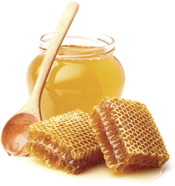 Given the slowdown of the bees, it is a good time to talk about their most prized possession – honey. Honeybees are the only insect in the world that produce food for humans. And let’s be frank – the product of their work is delicious. Perhaps not surprisingly, honey is also one of the most expensive forms of sugar. Due to the high value of honey and the availability of much cheaper sweeteners like rice and corn syrup, honey is frequently subjected to adulteration.
How frequent is honey fraud, you ask? It turns out that honey is the world’s third most faked food, after olive oil and milk. An international scam known as “Honeygate” was featured in the inaugural episode (“Lawyers, Guns, and Honey”) of Netflix’s series Rotten. Even if you have no interest in honey but love true-life crime dramas, this documentary is worth a watch.
So how can I avoid purchasing adulterated honey, you ask? The best approach is to avoid supermarket brands and instead buy local honey. Local honey is available at gourmet food shops, farmers’ markets, kitchen stores, and your local apiaries. If you are not sure, do not be afraid to ask if the honey is made by local bees and beekeepers, or shipped from afar. The more hands that touch it, the more chances it has to be tampered with.
One final tidbit: Cuba is the only country that has truly organic honey. After the Soviet Union collapsed in the early 1990s, Cuba could no longer afford pesticides and turned to organic farming out of necessity. Honey from other countries cannot be labeled as organic since even bees from organic farms can fly to neighboring property and forage on non-organic plantings. So avoid honey labeled as organic unless you are visiting Cuba!
What the beekeepers are up to…
Wrapping up any unfinished tasks from harvest and winter preparation – labeling honey jars, insulating the hives, etc. – and selling their wares at holiday markets. Taking a bit of a breather.
What the non-beekeepers can do…
Support your community and discourage food fraud in one fell swoop – buy local honey!



INDIVISIBLE

Training
BoB 25

Click for Winners!

The Revolution

Bruce Springsteen – Streets Of Minneapolis



040126 BoZone

DOWNLOAD
04-01-26 PDF